Industrial
Forging Solutions.
Uncompromised strength. Engineered for performance.
High-strength load-bearing forged components — globally sourced and program-managed. MES optimizes your forging process from die design to secondary machining, heat treatment, and surface finishing.
What is industrial forging?
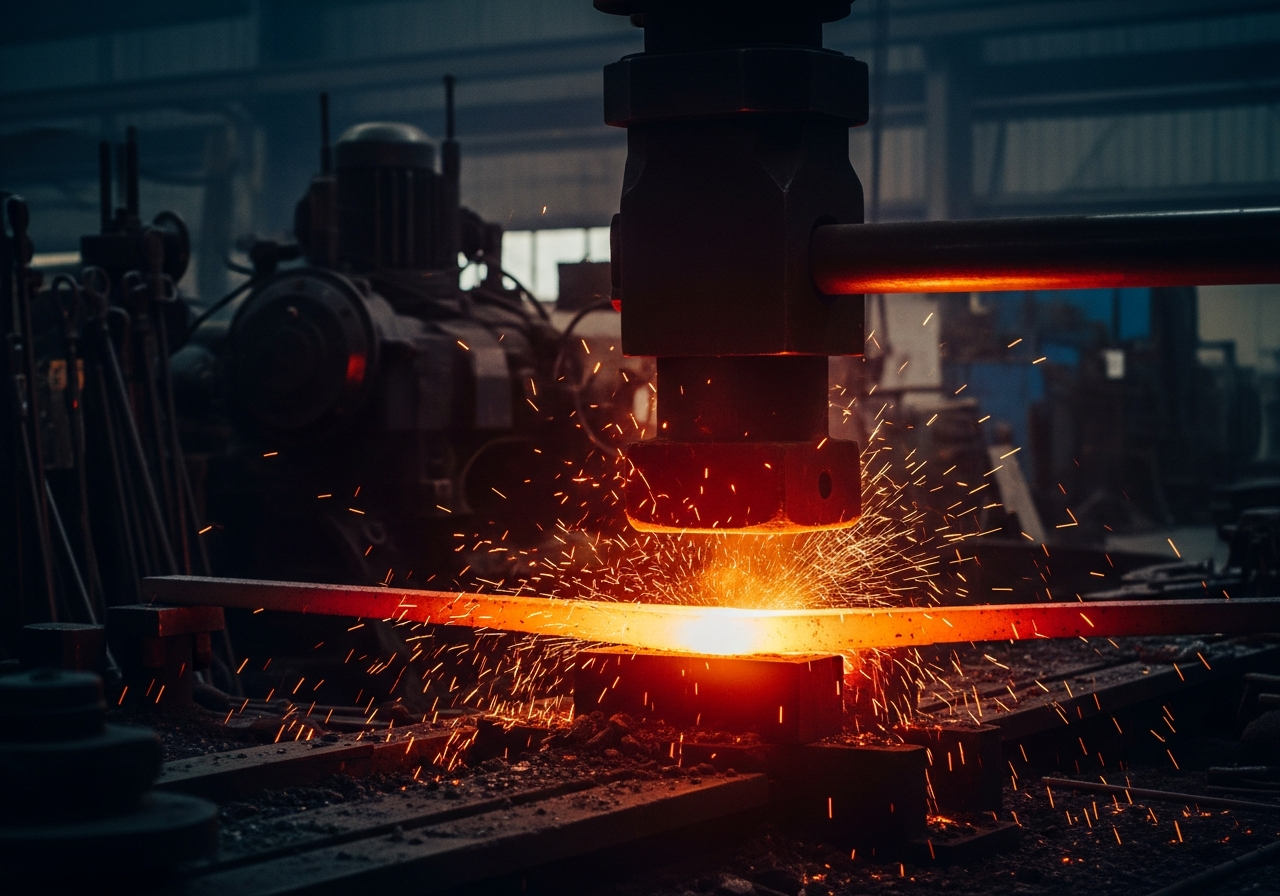
Forging is a manufacturing process where metal is pressed, pounded, or squeezed under high pressure into high-strength parts. The process refines the grain structure of the metal, improving its physical properties, impact resistance, and structural integrity.
Unlike casting or machining from bar stock, forging aligns the metal’s grain flow with the shape of the part, providing unmatched strength for critical load-bearing applications in automotive, agriculture, energy, and heavy construction equipment.
Forging processes we support
MES ensures the right temperature process for your material and tolerance needs, selecting the optimal forging method to balance strength, precision, and cost.
Closed-Die Forging
Metal is pressed between dies with precut profiles. Best for high-volume, complex geometries like gears and connecting rods.
Open-Die Forging
Shaped between multiple dies that do not enclose the material. Ideal for very large, simple parts before secondary machining.
Hot Forging
Metal is heated above recrystallization temperature. Ensures high formability for extremely complex shapes without cracking.
Cold Forging
Deformed at room temperature. Delivers superior dimensional control and surface finish without requiring heat treatment.
Forging alloys
Material selection dictates the strength, weight, and lifespan of a forged part. MES sources and verifies high-grade steel, aluminum, and stainless billets to meet stringent mechanical property requirements.
Turnkey forged solutions
Forging is rarely the final step. Raw forgings often require precision machining, heat treatment, and protective finishing before assembly. MES manages the entire value stream, delivering ready-to-assemble components that meet stringent quality standards.
Strength where it matters most
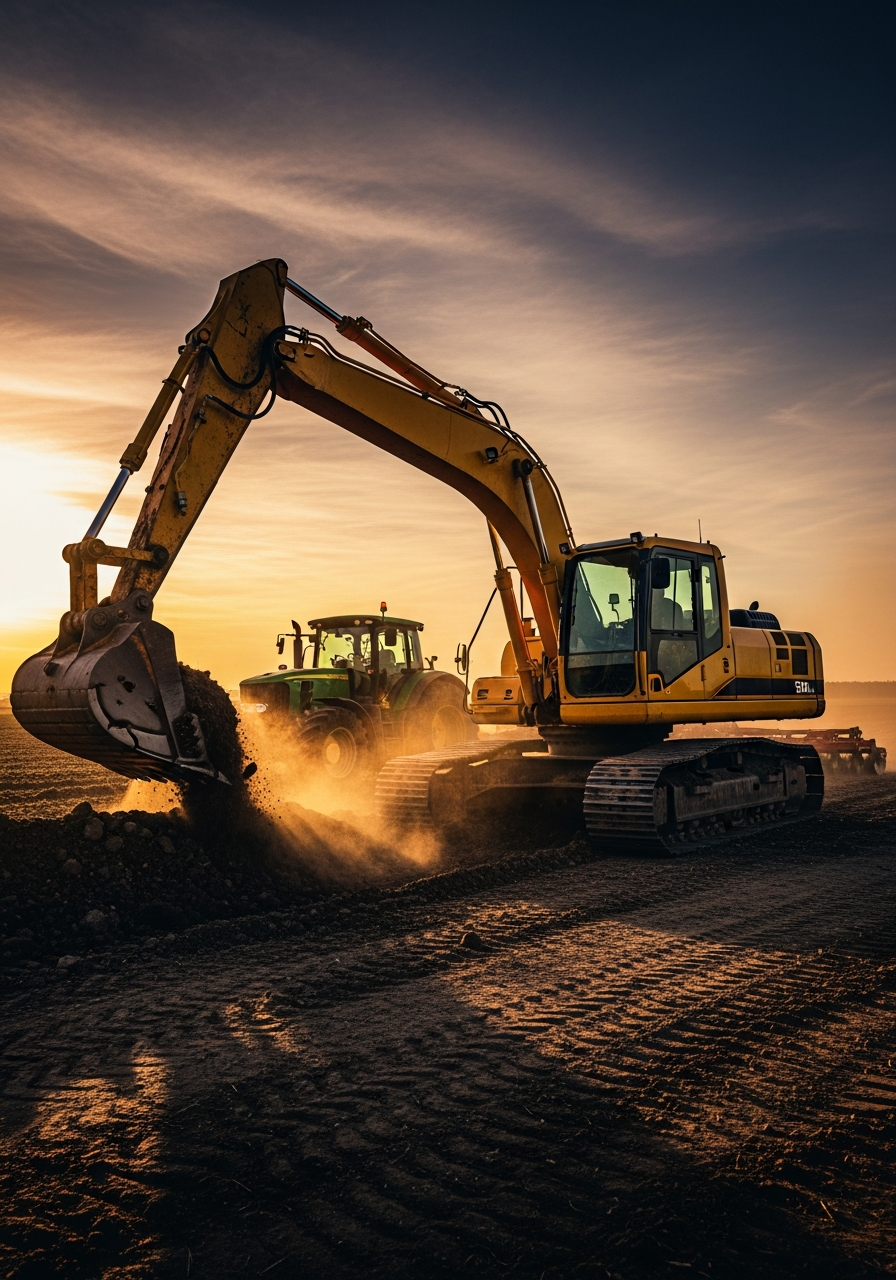
MES provides custom forging solutions where uncompromised strength and material integrity are critical. Hover an industry to explore.


Trusted by leading manufacturers
MES supplies forged components and managed supply chain services to some of the most demanding OEMs in the world — built on the confidence that MES manages the entire supply chain, factory door to customer door.








Frequently asked questions
Forging is preferred when the component requires maximum structural integrity, impact resistance, and fatigue strength. The forging process eliminates internal porosity and aligns the metal grain, making it ideal for highly stressed parts like gears, rods, and heavy equipment components. Casting is generally better for highly complex internal geometries that are difficult to forge.
Standard tooling lead times for closed-die forgings generally range from 4 to 8 weeks depending on the complexity of the part and die size. First Article Inspection (FAI) samples follow shortly after tooling completion.
Yes. Most forgings require secondary CNC machining to achieve tight tolerances on mating surfaces, threads, and bores. MES manages the entire process from forging to final machining, heat treatment, and surface finishing.
Ready to optimize your forging supply chain?
Send us your CAD files. Our engineers review your requirements, optimize the manufacturing process, and return a global sourcing quote.