How China Is Disrupting Supply Chains in Europe
- OBOR is more than 10x the Marshall Plan in investment terms — the largest geostrategic project being implemented globally
- China is using Central and Eastern Europe as its gateway into EU markets
- The AIIB, with 57 founding members, is funding the infrastructure behind the strategy
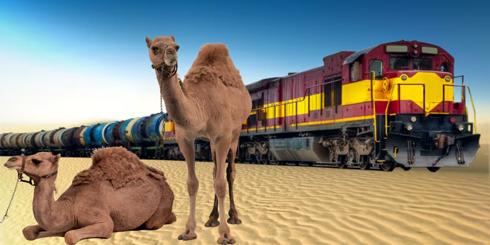
Chinese President Xi Jinping made a series of trips to Eastern Europe in 2016 as part of his advocacy campaign for the Silk Road Economic Belt and 21st Century Maritime Silk Road (OBOR). The initiative, launched in autumn 2013, aims to link Asia with Western Europe, CIS countries, and Africa through a network of interconnected infrastructure — especially rail, road, and maritime transport.
OBOR is now the largest and most important geostrategic, economic, and financial project being implemented globally. Compared with the Marshall Plan — the regeneration plan for Europe after WWII — OBOR is more than 10 times larger in terms of investment.
The CEE gateway
China, systematically bypassed by the major regional trade agreements, is literally building its own way into Western markets — viewing Central and Eastern European countries (CEE) as the best opportunity for an approach. China was never able to sign a free trade agreement with the EU despite impressive trading volumes: China is the EU’s second-largest trading partner behind the U.S., and the EU is China’s biggest trading partner.
China is targeting the Baltic countries, Poland, Czech Republic, Hungary, and Romania — countries that share common features:
- Newer members of the EU
- Positioned toward the European border with Russia — a “gateway” to Europe from the East
- Considered less economically developed than their Western neighbors
- Full EU members with a voice in decision-making, able to serve as influencers in Brussels
The financial arm: AIIB
Beijing is putting its money where its policy is with the Asian Infrastructure Investment Bank (AIIB), which opened for business in January 2016 with 57 founding members — including most Western European countries. Considered the financial arm of OBOR, the AIIB is expected to fund infrastructure projects in energy, transportation, and communication throughout Asia.
For manufacturers with European operations or suppliers, the implication is clear: freight lanes, lead times, and competitive dynamics between Asia and Europe are being rebuilt — and supply chains that assume the old geography will be caught flat-footed.
Global logistics geography is being redrawn. MES operates across Asia, Europe, and North America — and builds supply chains designed for where trade flows are going, not where they’ve been.
Start the Conversation