
Perspectives on global sourcing, manufacturing, and supply chain strategy — written by the people who manage programs from the factory floor to your dock.
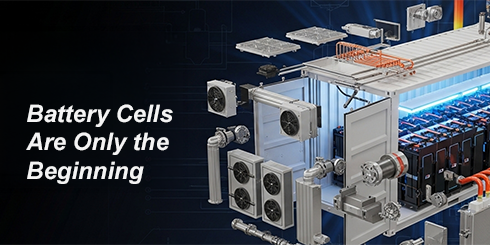
Utility-scale battery storage looks less like a battery and more like a highly engineered piece of industrial infrastructure. The real supply chain opportunity sits around the cells — not inside them.
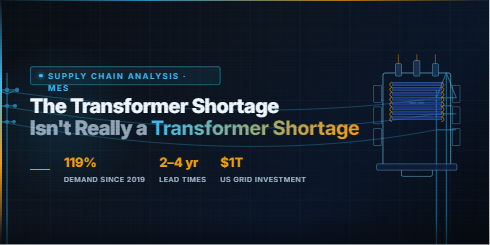
Lead times on large power transformers now stretch two to four years. But a transformer isn’t one thing — and treating every component as equally constrained turns a component bottleneck into a program-wide one.
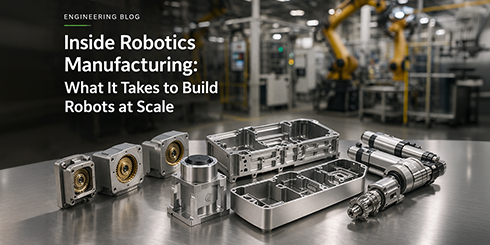
Robotics companies move fast in early development — until the question shifts from “Does this robot work?” to “Can we build 50,000 of them?” That transition breaks more programs than the technology ever does.
The headlines focus on what robots can do. What goes unnoticed is the system of structural components behind every robot — and what it takes to produce them reliably at scale.
Pace Industries’ plant closures removed a meaningful share of North American die casting capacity. The takeaway isn’t that domestic die casting is finished — it’s that supply chain architecture now matters more than any single supplier.
Fifteen years and more than 1,500 developed components point to one insight: most die casting sourcing failures aren’t caused by cost — they’re caused by execution.
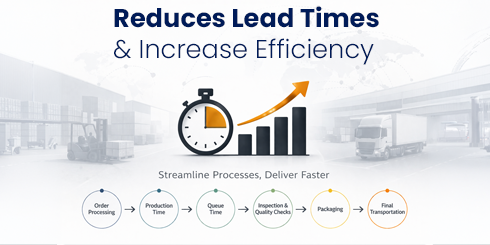
Lead time is one of those terms everyone in manufacturing uses — and almost everyone defines differently. When a team only measures one piece of it, they don’t really know their true lead time.
Talk to the team behind these articles — we solve these problems for customers every day.